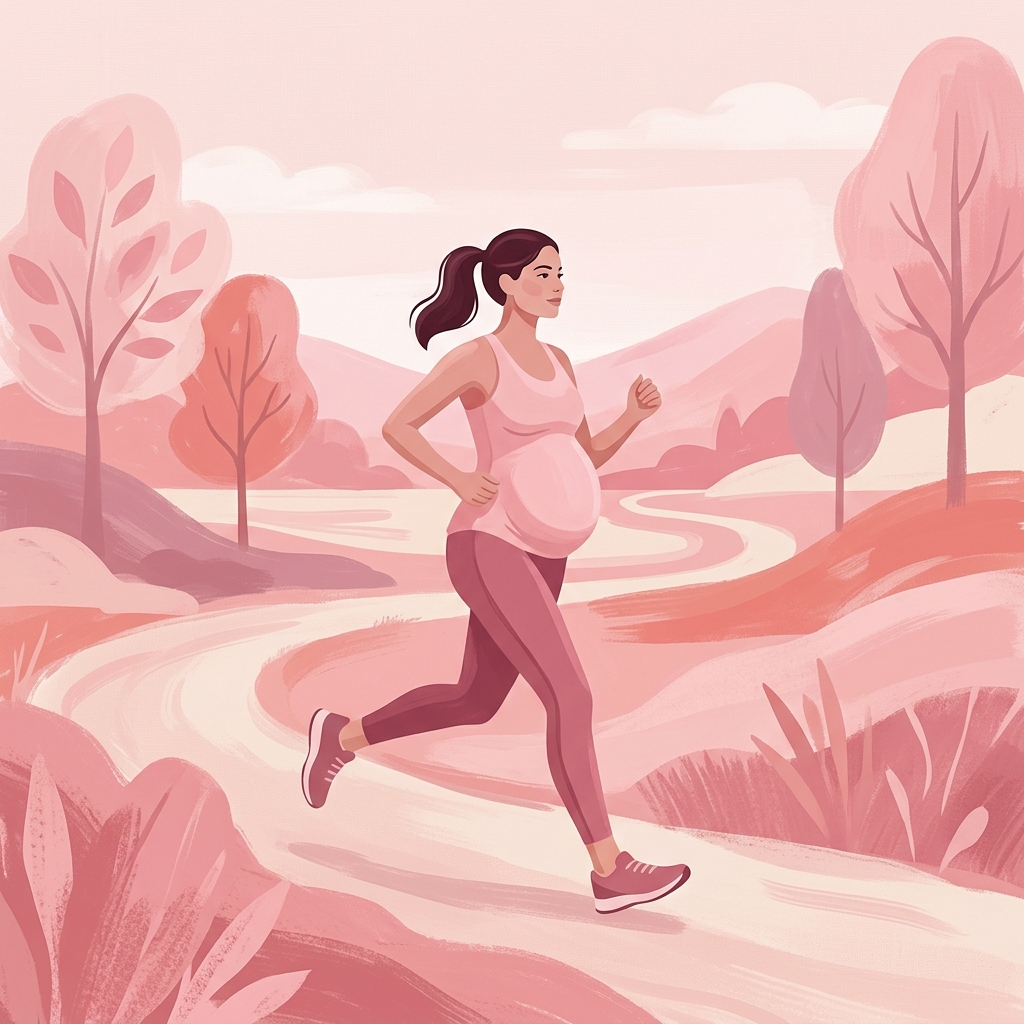
Running during pregnancy is a common topic surrounded by both medical facts and lingering myths. According to major health organizations like the American College of Obstetricians and Gynecologists (ACOG), exercise—including running—is generally safe and highly beneficial for most individuals with an uncomplicated pregnancy.
Always consult your healthcare provider before starting or continuing any exercise routine during pregnancy to ensure it is safe for your specific health circumstances.
The Facts About Running While Pregnant
- It is generally safe: If you were a runner before pregnancy, you can typically continue as long as you feel comfortable and have received medical clearance.
- There are significant benefits: Regular exercise can help reduce the risk of gestational diabetes, preeclampsia, and excessive weight gain. It may also lead to easier labor, faster postpartum recovery, and improved mental well-being (reducing risks of anxiety and depression).
- Listen to your body: You may need to modify your pace, mileage, or intensity. Many runners naturally transition to lower-impact activities (like walking or swimming) as their pregnancy progresses or if running becomes uncomfortable.
- Follow safety guidelines:
- The Talk Test: You should be able to carry on a conversation while running. If you are gasping for air, slow down.
- Stay Hydrated: Drink plenty of fluids to support your increased blood volume.
- Avoid Overheating: Be cautious in high heat and humidity and wear breathable clothing.
- Focus on Stability: As your center of gravity changes, choose even surfaces to reduce the risk of falling.
Common Myths vs. Reality
Myth: "Running will shake the baby loose or cause a miscarriage."
Reality: There is no evidence that exercise causes miscarriage or preterm birth in healthy, uncomplicated pregnancies. The baby is well-protected by amniotic fluid and strong uterine muscles.
Myth: "If you didn't run before, you shouldn't start now."
Reality: While pregnancy isn't the best time to start high-intensity training, it is a safe and encouraged time to adopt a moderate, consistent exercise routine. If you're a beginner, start with walk-running or brisk walking.
Myth: "You must keep your heart rate below 140 bpm."
Reality: This old guideline is no longer the standard. Focus instead on "perceived exertion" and the "talk test" to monitor your intensity. Every woman's heart rate responds differently.
Myth: "You shouldn't do core or abdominal exercises."
Reality: You actually need a strong core to support your changing body and posture! While certain movements (like lying flat on your back for long periods later in pregnancy) might be discouraged, core-strengthening is highly beneficial.
When to Stop and Call Your Doctor
Stop your run immediately and contact your healthcare provider if you experience any of the following warning signs: * Vaginal bleeding or fluid leaking. * Dizziness, feeling faint, or unexpected headaches. * Chest pain or palpitations. * Regular, painful uterine contractions. * Calf pain or swelling. * Shortness of breath that does not improve with rest.
Maintaining an active lifestyle during your pregnancy is one of the best things you can do for yourself and your baby. Lace up your shoes, grab some water, and enjoy your run!